

Meet the Speakers
EASTAP26 Associate Scholar
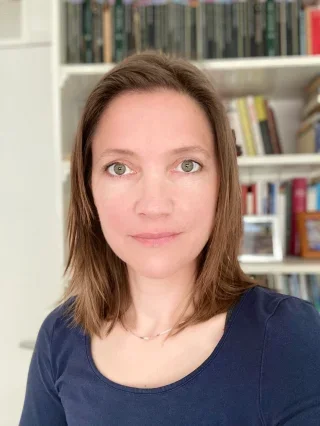
Emma Cox
Royal Holloway, University of LondonReparation, Temporality, and Response: Awaiting the Law after Migration Fatalities
In 2023, the UN Committee on Enforced Disappearances signalled a need for migration fatalities to be addressed in human rights law by adopting its first ‘General Comment on Enforced Disappearances in the Context of Migration’. The document affirms that international law prototypes (while not mandatory or enforceable) might resist constructions of hazardous migration as a matter of risky personal decision making, and push fatalities into a legal register of rights violation. As they stand, regularised and catastrophic sinkings of migrant vessels in the Mediterranean are not normally treated by European authorities as disaster victim identification (DVI) events that would trigger INTERPOL support and state mobilisation.
This presentation considers aesthetic, political, and relational efforts distributed across performance, commemoration, and humanitarianism to be important not only for affirming human dignity but also for exposing entire legal and administrative infrastructures that define the limits of rights-endowed life. I look contextually examples of performance, installation art, documentary film, and public components of forensics as ‘reparative acts’ by diversely constituted ‘implicated subjects’ – those who, in Michael Rothberg’s terms, ‘possess multiple political, economic, and moral linkages’ (2019, 32) to injustice.
EASTAP26 RUG-invited Keynote Speakers
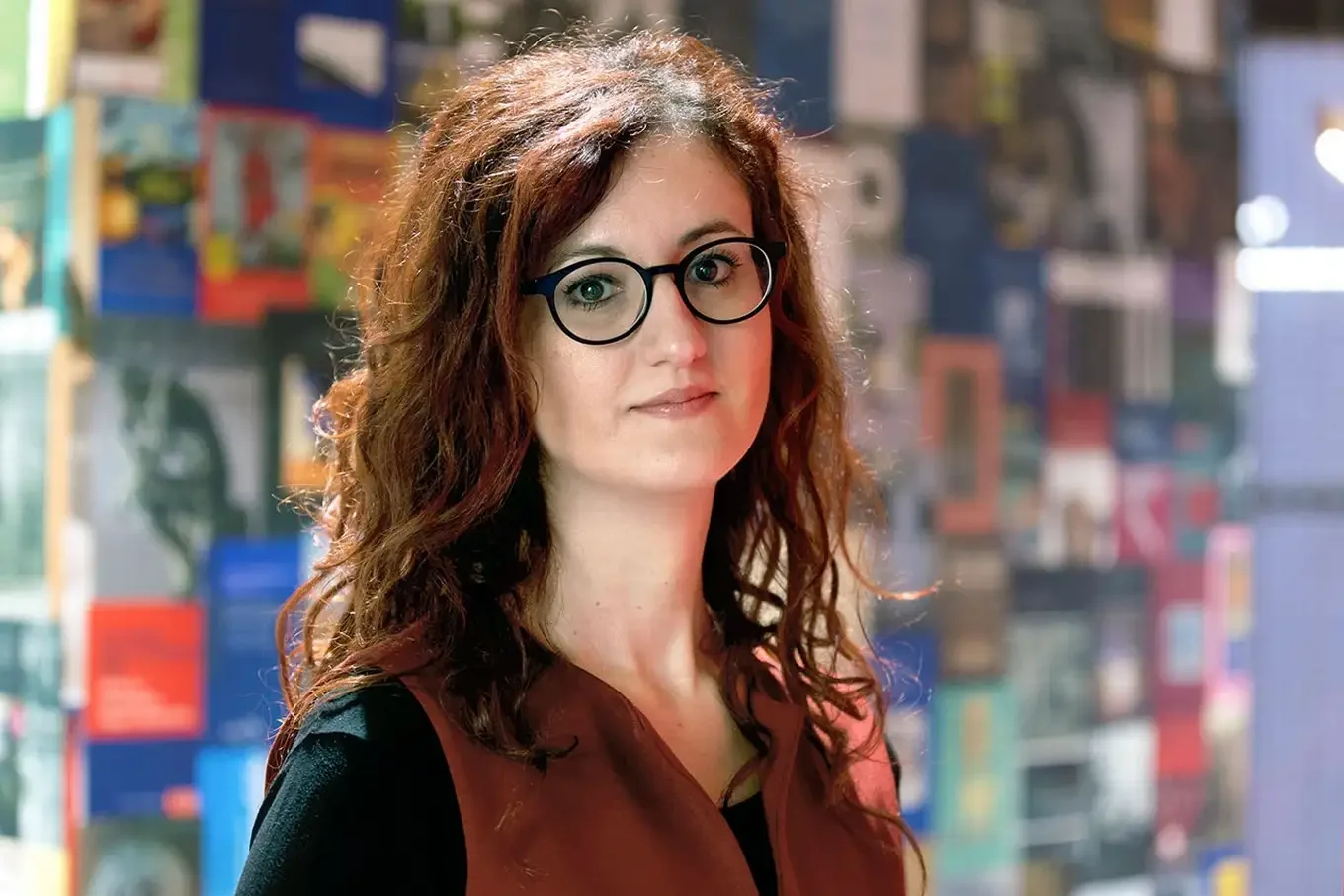
Maria Boletsi
Leiden University & University of Amsterdam“Waiting for the Barbarians” As Political Stage: From Modernist Suspension to Polycrisis, Defeat and Radical Hope
“Waiting for the Barbarians” (1898/1904), Constantine Cavafy’s best-known poem, has been repeatedly restaged in literature, art, and public and popular culture across numerous cultural and sociopolitical contexts in the twentieth and twenty-first centuries. Since the end of the Cold War—and particularly after September 11, 2001—its intensified presence in political rhetoric, commentary, and theory suggests that the poem has claimed a prominent place in the Western political imaginary and beyond.
In this talk, I approach the poem as a political stage on which dominant narratives of past, present, and future—cyclical, progressive, messianic—are renegotiated, and I consider the forms of political agency, (in)action, and futurity that this stage may cultivate. To do so, I read the poem pre-posterously—that is, placing it “as an aftereffect behind (post-) its later recycling[s]” (Bal)—through its multiple restagings, as well as through the broader topos of waiting for the other in theater, literature, multimedia art, and political discourse, especially since the globalization of capitalism in the early 1990s.
Exploring the poem’s political force in the present, I ask how its staging of waiting—and the non-arrival of the barbarians—might resonate in today’s condition of polycrisis, where the experience of an increasingly disorienting, precarious present generates a lived condition of “crisis ordinariness” (Berlant), and where resolution appears endlessly deferred and imaginations of the otherwise seem depleted. Can the pessimism that emerges from the citizens’ disillusionment and the barbarians’ non-arrival generate a different mode of navigating crisis—one that opens space for radical hope through repeated experiences of defeat?
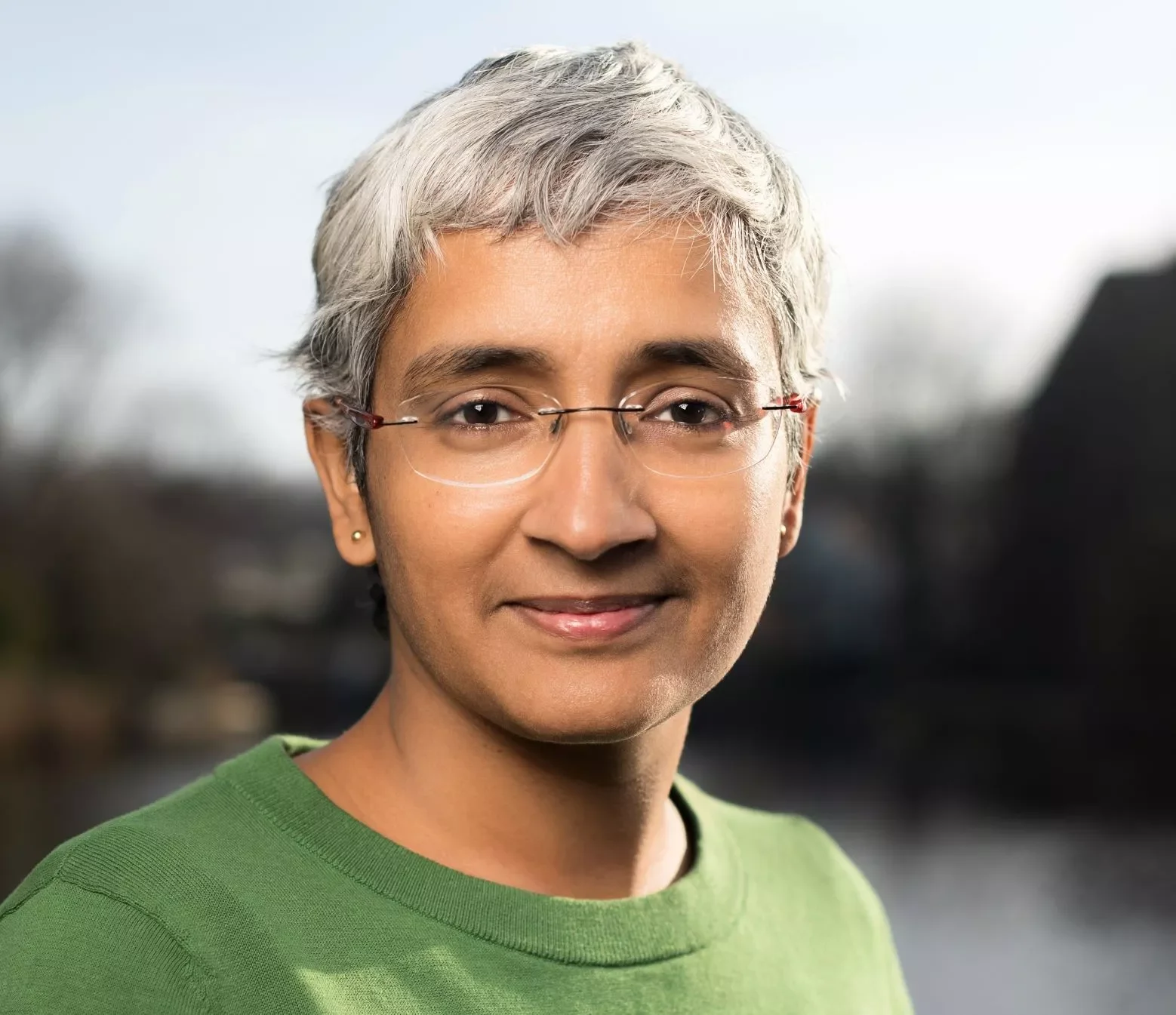
Sruti Bala
All the Arms We Need: Militarisation in the European Cultural Realm and the Horizons of Solidarity
What has the intensified militarisation of European societies done to theatre and performance practice and what are its implications for scholars of the field? In 2018, theatre stages across Western Europe commemorated the centenary of the end of the First World War with a number of productions highlighting the abhorrent nature of wars and their aftermaths. Less than a decade later, little remains of any spirit of opposition to wars. On the contrary, with a few important exceptions, the institutionalised arenas of theatre and performance have been largely accommodative to or silent about, if not openly supportive of the unprecedented levels of military spending and the fundamental infrastructural realignments that Europe’s war fever demands.
Contradictions abound when comparing stances toward different geopolitical conflict zones, begging questions of complicity and doublespeak, as well as exposing enduring fantasies of civilisational supremacy. At the same time, artists and scholars face immense pressure to conform to the demands of the political mainstream or risk losing their livelihoods and work prospects. The repercussions for those who speak up and question the logic of militarisation and brute colonial violence across the globe are often grave. The lecture addresses questions of artistic-institutional responsibility, art-washing and the conundrums of decolonising a Europe that represents a horizon to some and an abyss to others.
University of AmsterdamMeet the Artists
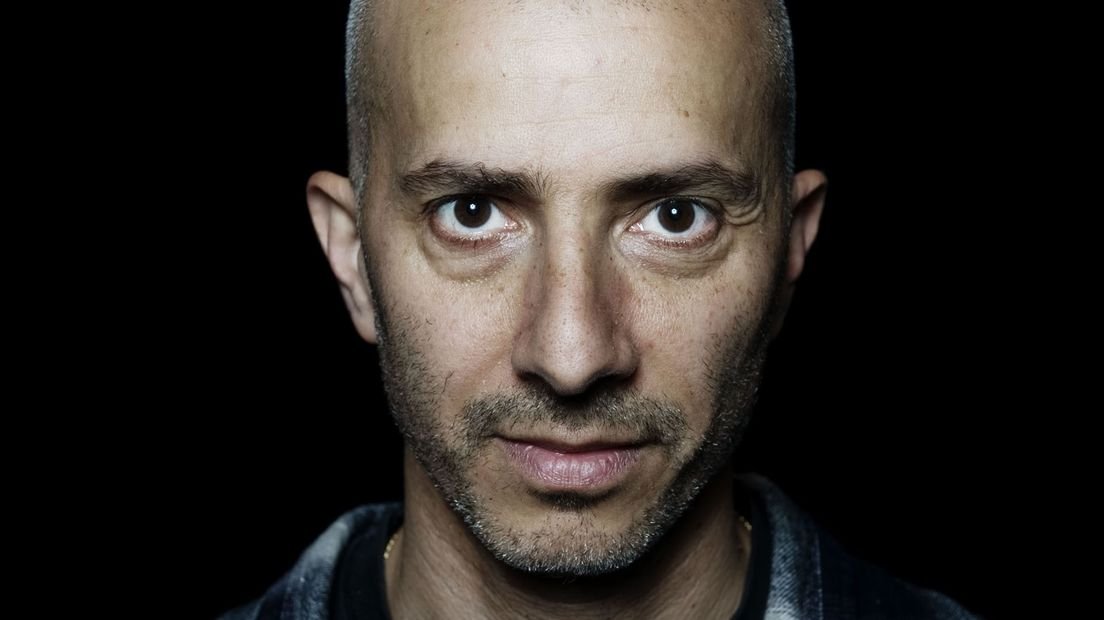
EASTAP26 Associate Artist
Guy Weizman
Club Guy & Roni
Chokri Ben Chikha
Action Zoo Humain
Artists of EASTAP26 Theatre Programme
Mathieu Wijdeven
Theater Rotterdam
Nik Rajšek
KINK
EASTAP26 RUG-sponsored Artist
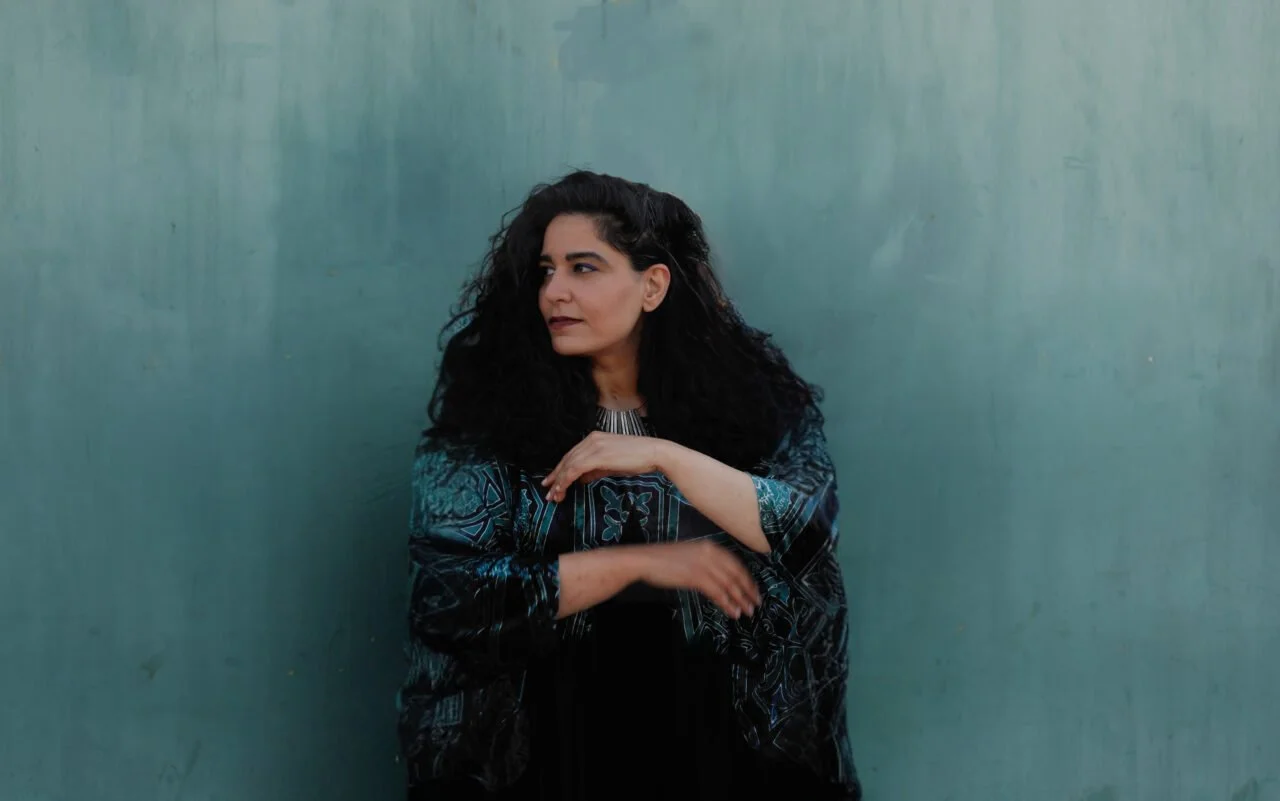
Sanam Tahmasebi
Veerle van Overloop
ShELFISH